

A sudden, sharp pain can start in your lower back, travel across the buttock, and continue down one leg. Sometimes it feels like an electric shock; other times it burns, tingles, or makes sitting and walking uncomfortable. You might have significant leg pain even when your lower back feels only mildly sore. Pain that travels this way may involve irritation of nerves in the lower spine, but similar symptoms can arise from other structures. Understanding the pattern matters because some conditions respond to conservative management while others need prompt medical assessment. At NJ Chiropractor in Bedminster, we encourage patients to describe where pain travels, what triggers it, and whether numbness or weakness is present. These details help us determine what assessment is appropriate and whether referral is needed.
Why Does Pain Shoot From the Lower Back Into the Leg?
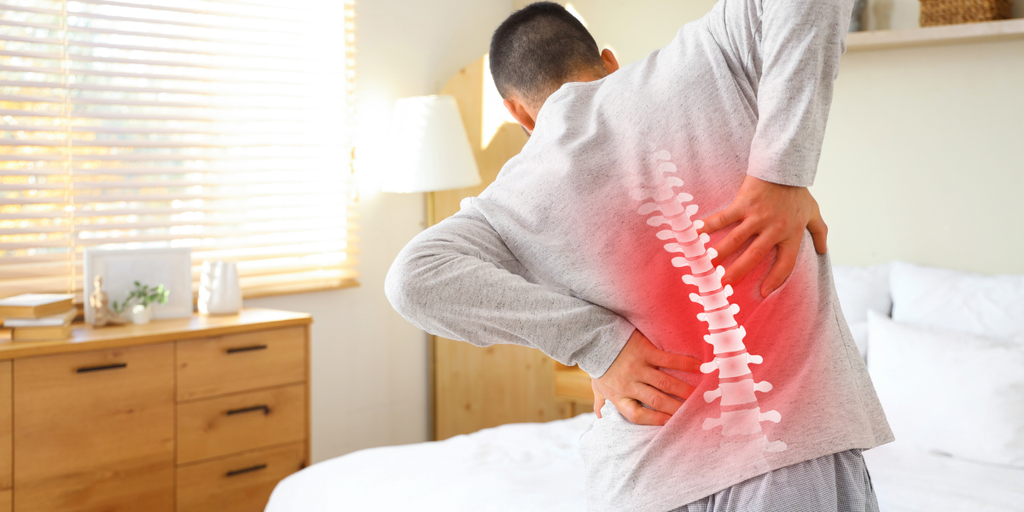
How Lower Spinal Nerves Connect to Your Legs
Nerve roots emerge from the lower spine and join larger nerves supplying the hips and legs. When a nerve root becomes inflamed, irritated, or compressed, pain can travel away from the lower back into the buttock, thigh, calf, or foot. This is called radiating pain. The exact route varies with the affected structures, and the area that hurts does not by itself identify a particular nerve root.
What Nerve-Related Pain Can Feel Like
People often describe shooting, burning, tingling, or electric-shock-like sensations. Some also notice numbness or weakness, while others experience pain without obvious changes in strength. Symptoms may worsen with sitting, bending, coughing, or certain positions. This differs from localized muscle soreness, which usually stays closer to the affected area, although the patterns can overlap.
Does It Always Mean Sciatica?
No. Sciatica describes a pattern of pain following the general sciatic nerve pathway; it does not explain precisely what is causing the symptoms. A nerve root problem in the lower spine is one possibility, but hip conditions, muscular irritation, and other sources of referred pain can resemble sciatica. An examination helps distinguish these possibilities.
What Conditions Can Cause Shooting Pain Down the Leg?
Sciatica and Lumbar Radiculopathy
Lumbar radiculopathy occurs when a spinal nerve root is irritated or compressed, producing symptoms that may travel into the leg. Sciatica is a familiar term for certain patterns of radiating pain, sometimes involving numbness or tingling. Symptoms can affect one leg or, less commonly, both. Their presence does not confirm which spinal level is involved or establish the underlying cause.
Lumbar Herniated Disc
Spinal discs sit between vertebrae and help distribute load. When disc material extends beyond its usual boundary, it can sometimes irritate a nearby nerve root. Depending on location and severity, this may cause pain, altered sensation, or weakness down the leg. However, many disc changes cause no symptoms, so imaging findings must be interpreted alongside the history and examination.
Lumbar Spinal Stenosis
Spinal stenosis refers to narrowing of spaces around the nerves. Some people notice discomfort, heaviness, or tingling that increases with walking or standing and improves with sitting or bending forward. This pattern can differ from pain associated with a herniated disc. Evaluation is important because several conditions can produce overlapping walking-related symptoms.
Muscles, Hips, and Other Possible Causes
Certain hip disorders and soft-tissue conditions around the buttock may cause pain that seems to follow a similar route. Rare but serious causes of back and leg pain also exist. That is why we advise against diagnosing sciatica from pain location alone, especially when neurological symptoms are increasing.
Which Symptoms Alongside Shooting Leg Pain Require Medical Attention?

Common Symptoms Worth Discussing
Sharp pain through the buttock or leg, tingling, numbness, and discomfort that changes with movement can occur with sciatic nerve irritation. Symptoms may extend below the knee and sometimes reach the foot. Even if the pain is manageable, a clinical assessment is reasonable when it persists, recurs, or begins limiting ordinary activities.
Signs That Need Prompt Evaluation
New weakness, difficulty lifting the front of the foot, increasing numbness, or pain that steadily worsens should be assessed promptly. Significant pain after an injury, unexplained fever, or difficulty walking also calls for medical attention. Avoid continuing manual treatment or strenuous exercise until serious neurological or structural problems have been considered.
Emergency Warning Signs
Seek emergency care immediately for new difficulty starting urination, loss of bladder or bowel control, reduced sensation around the groin or inner thighs, or severe rapidly progressing weakness. These symptoms can indicate cauda equina syndrome or another serious neurological problem. Do not schedule a routine chiropractic visit instead of going to the emergency department when these warning signs appear.
Pain location offers useful clues, but it cannot establish the diagnosis or determine urgency by itself.
How Is Lower Back Pain Radiating Down the Leg Diagnosed?

Reviewing Your Symptoms and History
An evaluation begins with questions about when the pain started, where it travels, and whether it changes with sitting, walking, bending, or coughing. Previous injuries, relevant medical conditions, medications, and changes in daily activity may also matter. We want to know whether symptoms are improving, remaining stable, or becoming more severe, particularly when numbness or weakness is reported.
Physical and Neurological Examination
A clinician may check spinal and hip movement, leg strength, sensation, reflexes, and how you walk. Appropriate nerve tension tests can provide additional information. These findings help determine whether the pattern fits possible nerve root irritation, although no single movement test can establish every cause of radiating pain.
When MRI or Other Testing Is Needed
Imaging is not routinely required for uncomplicated lower back pain or sciatica without concerning features. MRI may be appropriate when serious pathology is suspected, neurological deficits are progressing, symptoms remain disabling despite care, or results would change treatment planning. Suspected cauda equina syndrome requires urgent hospital assessment and typically urgent MRI.
What Treatment Options May Help With Shooting Pain Down the Leg?
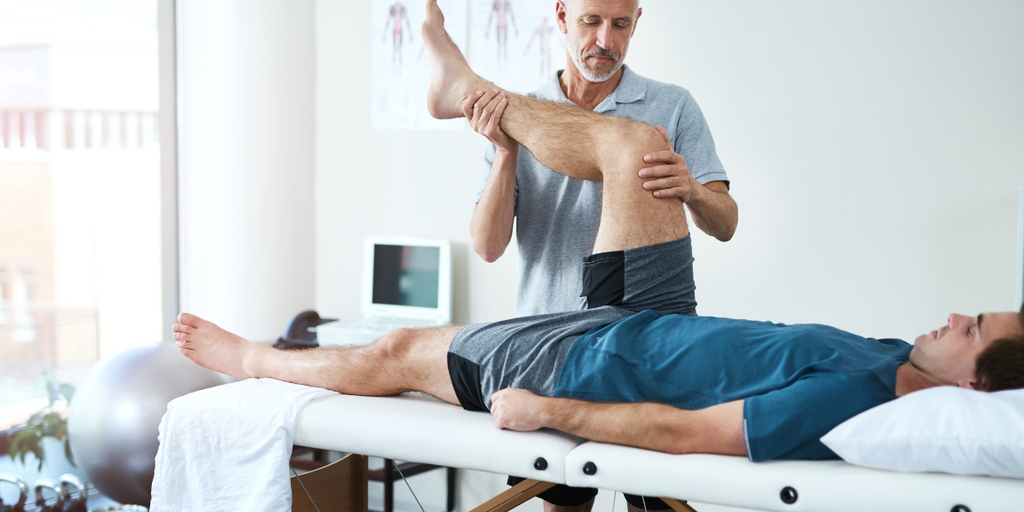
Appropriate Movement and Activity Changes
Prolonged bed rest is generally discouraged for uncomplicated lower back pain. Gentle movement within tolerable limits may help maintain function, while temporarily adjusting painful activities can reduce aggravation. The appropriate approach depends on the diagnosis, severity of symptoms, and medical advice. Avoid exercises that cause increasing weakness, numbness, or significant radiating pain.
Chiropractic Care for Selected Conditions
Some patients with musculoskeletal lower back complaints may consider chiropractic care after an appropriate examination. Options may include selected hands-on techniques, movement recommendations, and advice for everyday activities. At NJ Chiropractor, our chiropractic services are based on an evaluation, not an assumption that every case of leg pain calls for spinal manipulation. Suspected serious nerve compression, progressive weakness, or other red flags require medical assessment first.
Rehabilitation and Therapeutic Exercise
Individualized rehabilitation may address mobility, trunk control, lower-limb strength, and activity tolerance. Exercises should be selected according to the symptom pattern and adjusted if they worsen neurological symptoms. Progress is often gradual, and a movement that helps one person may aggravate another. Effective planning begins with identifying what the patient can currently do safely.
Medical Treatment and Referral
Depending on the diagnosis, physician-directed medicines, specialist assessment, or additional treatment may be needed. Severe or persistent nerve compression sometimes requires intervention beyond conservative care. No single treatment can guarantee relief, and the decision should reflect examination findings, symptom progression, and patient preferences.
How Can You Manage Daily Activities While Experiencing Radiating Leg Pain?
Change Positions When Needed
If sitting for long periods increases leg pain, try standing or walking briefly when safe. If standing is the problem, shorter intervals and comfortable supported positions may help. There is no single posture that works for every case. Pay attention to what reduces symptoms without placing you in an awkward or unstable position.
Keep Moving Within Your Limits
Short, tolerable walks or other gentle movement may be appropriate when a clinician has ruled out serious concerns. Build activity gradually rather than forcing through increasing pain. Avoid heavy lifting, repeated bending, or intense exercise when these consistently worsen symptoms, and follow any restrictions given by your treating medical professional.
Track Symptoms That Change
Notice whether pain travels farther down the leg, numbness increases, or walking becomes harder. Record new weakness or changes in bladder function, and describe them accurately to a clinician. Any emergency warning signs require immediate assessment rather than waiting to see whether home adjustments help.
How NJ Chiropractor Evaluates Lower Back and Radiating Leg Pain in Bedminster
Understanding Your Back and Leg Symptoms
At NJ Chiropractor, we begin by listening to how your symptoms developed and how they affect sitting, standing, working, and sleeping. Dr. Nick Mavrostomos, our lead chiropractor, considers your health history, relevant movement limitations, and neurological findings before discussing possible treatment. We recognize that radiating pain may arise from several different conditions, so we do not rely on symptom location alone to determine what you need.
Our sciatica treatment page explains how we approach sciatic nerve complaints, including assessment of movement and nerve-related symptoms. We also discuss general musculoskeletal concerns through our back pain care services. We use examination findings to consider whether chiropractic care is appropriate or whether additional medical evaluation would be safer.
Exploring Appropriate Care Options
When the findings support conservative care, we may discuss individualized chiropractic techniques, activity recommendations, and selected complementary services. We explain what each option is intended to address and how progress will be reviewed. Our services overview describes the different approaches offered at our Bedminster practice, but not every service is suitable for every condition.
If symptoms suggest significant or worsening nerve involvement, we prioritize further medical evaluation rather than proceeding automatically with manual treatment. We encourage patients to describe all relevant symptoms, including numbness, changes in strength, and any prior imaging, so care decisions reflect the full picture.
Discussing Your Goals With Dr. Nick
Our aim is to make the next steps understandable, whether your main concern is returning to work, walking comfortably, or managing recurring back discomfort. You can learn about Dr. Nick’s approach on our meet-the-doctor page. We welcome questions about treatment limitations, alternatives, and circumstances that would require referral. Your care plan should match the findings of an appropriate assessment rather than promising a fixed outcome.
Conclusion: When Shooting Leg Pain Needs Attention
Pain traveling from the lower back into a leg may be associated with sciatica, a herniated disc, spinal stenosis, or another musculoskeletal condition. The pattern of pain and associated symptoms helps guide the examination, but it cannot confirm a diagnosis on its own. Gentle activity and selected conservative treatments may help some patients, while progressive numbness or weakness calls for medical evaluation. New bladder or bowel problems or saddle numbness require emergency care. At NJ Chiropractor, we discuss your symptoms and determine whether chiropractic assessment is an appropriate next step. If you have ongoing radiating leg discomfort without emergency warning signs, contact our Bedminster office to request an evaluation with Dr. Nick Mavrostomos.