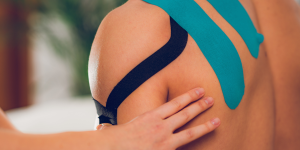

Have you recently had Kinesio tape applied and wondered whether you can shower with it, exercise normally, or leave it on until the edges peel away? The flexible strips can stay attached for several days, but the right wear time depends on the product, your skin, and the instructions you received. Knowing how to care for the tape is important because moisture, friction, and adhesive sensitivity can affect both comfort and skin health. Wearing it longer than advised does not necessarily improve its usefulness. At NJ Chiropractor, we want patients to understand what to monitor between visits, when to remove tape, and how to protect their skin afterward. This guide explains practical aftercare without replacing appropriate assessment or rehabilitation.
What Is Kinesio Tape, and Why Does Proper Aftercare Matter?
Understanding Kinesiology Taping
Kinesiology tape is a flexible adhesive material applied to selected areas of the skin. Unlike rigid athletic tape, it stretches with normal movement. Clinicians sometimes consider it as an additional option for activity-related muscle or joint discomfort, alongside exercise, activity guidance, or other treatment. Its benefits vary by condition, and tape cannot diagnose an injury, repair damaged tissue, or guarantee relief. At our Kinesio Taping service in Bedminster, we evaluate the reason for taping before deciding where and how it should be applied. We also check skin health and explain the purpose.
Why Care Instructions Matter
Adhesive stays in close contact with the skin, sometimes through showers, workouts, and changing temperatures. Prolonged exposure, sweat, rubbing, or a sensitivity to the adhesive can lead to redness or discomfort. Following product and clinician instructions helps prevent problems.
How Long Does Kinesio Tape Usually Last on the Skin?
Typical Wear Duration
Many kinesiology tape products are intended for roughly three to five days of wear. Other products or clinical applications may require removal sooner; some hospital instructions recommend no longer than three or four days. The number on the package is not automatically the right schedule for every patient. We recommend following the removal time given for your particular application, especially if you have sensitive skin or have reacted to adhesives previously. Tape should also be removed earlier if irritation, worsening symptoms, or significant peeling develops. Do not keep uncomfortable tape on to reach a target number of days.
Why Adhesion Varies
Skin oils, sweating, showering, swimming, and clothing friction all influence how well tape stays attached. Applications over the shoulder, knee, or another highly mobile area may loosen sooner because the skin stretches repeatedly. Towel rubbing can also loosen tape. A small loose edge does not always mean the entire application has failed. However, large detached sections, contamination, or a strip that catches and pulls on the skin are reasons to remove the tape and ask about next steps.
Should You Remove Tape That Still Sticks?
Yes, when your recommended wear period ends. Strong adhesion does not guarantee benefit. Removing tape on schedule gives you an opportunity to inspect the skin for irritation, particularly in areas you cannot easily see. Do not extend the wear period without checking the product instructions and discussing it with your treating clinician.
How Should You Care for Kinesio Tape While Showering and Exercising?

Can You Shower With Kinesio Tape?
Many products are water-resistant and can remain on during a shower or bath. Follow the instructions for the actual tape you are wearing, since water resistance and recommended wear can differ. Afterward, gently pat the taped area with a towel and allow it to air-dry. Rubbing can lift the edges and tug at the skin. Avoid hair dryers or direct heat, which can affect adhesive and skin.
Remove tape that stays damp or loosens substantially.
Can You Exercise While Wearing It?
Flexible tape may move with you during suitable activities, but its presence does not make an injured joint or muscle ready for full exercise. Follow the activity restrictions established for your actual condition. For example, someone recovering from a sprain should not resume high-impact training solely because taped movement feels easier. If exercise increases pain, produces swelling, or causes unusual sensations, stop that activity and seek appropriate advice.
A Simple Daily Aftercare Checklist
- Follow the wear period given by your clinician and the product instructions.
- Pat the tape dry after bathing; do not scrub or use a hair dryer.
- Avoid pulling at edges or repeatedly repositioning the strips.
- Follow injury-specific activity and exercise recommendations.
- Check visible skin for redness, itching, or irritation each day.
- Remove tape on schedule, or sooner if concerning symptoms appear.
When Should You Remove Kinesio Tape Before the Recommended Time?
Itching, Burning, or Increasing Redness
A mild awareness of tape on your skin can occur, but persistent itching, burning, spreading redness, or a rash is not something to ignore. These symptoms may indicate irritation or an adhesive reaction. Gently remove the tape rather than waiting for the planned removal date. If the reaction persists, spreads, or becomes severe, contact a healthcare professional.
Blistering, Broken Skin, or Significant Discomfort
Blisters, raw patches, broken skin, or marked tenderness call for prompt removal and further advice. Avoid applying another strip to damaged skin. Skin injuries deserve particular caution in people with fragile skin, altered sensation, or conditions that affect healing.
Unusual Symptoms or Poor Circulation
If pain becomes worse or the area develops unusual numbness, color change, or swelling, remove the tape and seek medical guidance. Severe circulation changes or rapidly progressing neurological symptoms warrant urgent assessment. Do not assume these problems are normal effects of therapeutic taping.
Loose, Contaminated, or Uncomfortable Tape
If the tape has folded into a tight ridge, gathered dirt, or detached across a large area, it may no longer sit as intended. Pulling it back into place or applying strong additional adhesive can irritate the skin. It is generally better to remove compromised tape and ask whether a new application is appropriate.
How Do You Remove Kinesio Tape Safely Without Irritating Your Skin?
The aim is to separate the adhesive gradually while limiting tension on the skin. Never tear the strip away as though removing a bandage quickly. If your skin is fragile, the area is difficult to reach, or removal causes substantial discomfort, ask someone qualified to help.
Step 1: Prepare the Tape and Skin
Check the manufacturer’s removal instructions. Some tapes loosen after a warm shower, and suitable body oil or a recommended adhesive remover may help if the skin is intact. Do not use products that irritate your skin, and avoid applying oil to open wounds. Allow enough time to work slowly instead of removing the strips while rushing.
Step 2: Loosen One Edge Gently
Start with an accessible corner and lift only enough to hold the end. Use your free hand to support the skin near the adhesive. If the edge pulls painfully or causes visible stretching, pause and consider additional gentle adhesive-softening measures allowed by the product instructions.
Step 3: Peel Slowly and Keep the Tape Close to the Skin
Roll or peel the strip backward at a low angle, keeping it close to the skin rather than pulling straight upward. Work in the direction of hair growth when practical. Move your supporting hand along as the adhesive releases. Slow removal helps reduce unnecessary friction and pulling, particularly over sensitive areas.
Step 4: Inspect and Care for the Area
Look for redness, tenderness, blisters, or leftover adhesive. On intact skin, wash gently with water and a mild cleanser if needed. Avoid vigorous scrubbing or strongly fragranced products. If you notice significant irritation, let the area recover and consult a healthcare professional before considering another application.
What Should You Do After Removing Kinesio Tape?
Clean and Inspect Your Skin
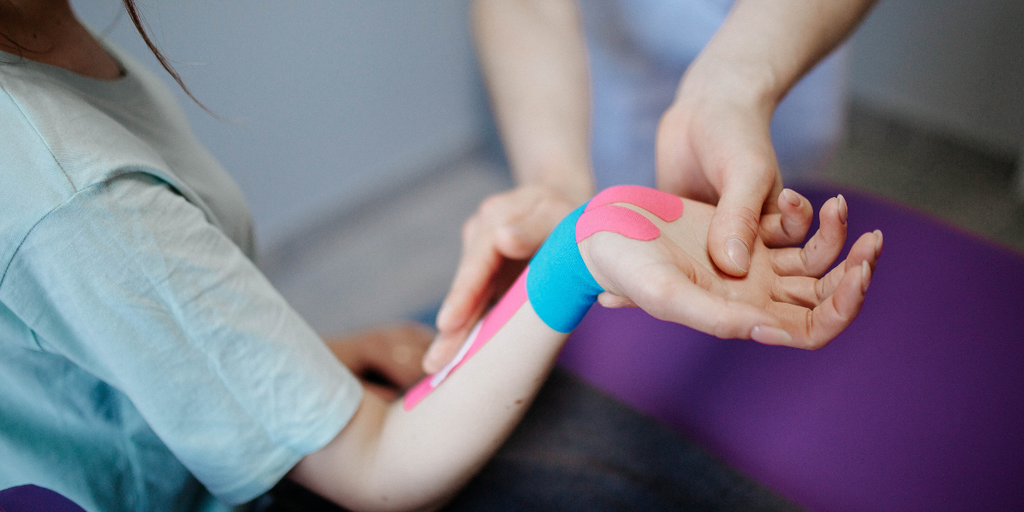
Small amounts of adhesive residue may remain after removal. Gentle cleansing or a skin-safe adhesive-removal product can help, provided the skin is not broken. Examine the entire taped area, including places usually covered by clothing. Mild temporary marks may fade, but persistent itching, swelling, blistering, or spreading redness should be assessed.
Allow Recovery Time Before Reapplication
Your skin benefits from a break between applications. Some clinical instructions recommend at least 24 hours, with longer intervals for sensitive skin. The appropriate interval depends on the tape, your skin’s condition, and the plan discussed with your clinician. Fresh tape should never be applied directly over a rash, open wound, or irritated patch.
Notice Whether Your Original Symptoms Have Changed
After removing the tape, consider whether the underlying pain, swelling, or movement difficulty is better, unchanged, or worse. This information is useful during follow-up because tape is only one possible component of a broader plan. We encourage patients to report meaningful changes rather than automatically repeating an application.
Can You Reapply Kinesio Tape After Removing It?
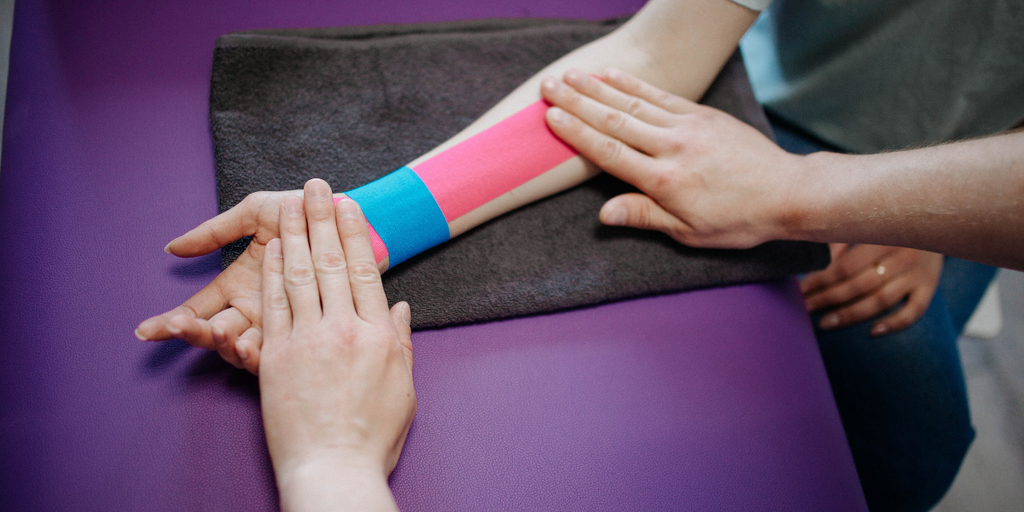
Reapplication may be reasonable when your skin has recovered, the original treatment goal remains relevant, and your clinician has recommended continuing. Position, tension, and the reason for taping matter, so copying an old application without instruction may not be appropriate. At NJ Chiropractor, we consider chiropractic care and other options alongside any recommendation to continue taping. Removed strips should generally be discarded. Their adhesive may not perform consistently after removal, and reusing tape can introduce debris or irritate the skin. Ask before applying fresh tape if uncertain.
Understanding Kinesio Taping and Aftercare With NJ Chiropractor in Bedminster
How We Assess Your Movement and Support Needs
At NJ Chiropractor, we begin with the concern that brought you to our Bedminster office rather than assuming taping is suitable for everyone. Dr. Nick Mavrostomos evaluates musculoskeletal symptoms and how they affect daily activities. We consider movement restrictions, skin sensitivity, previous reactions to adhesives, and your treatment goals before discussing supportive options. Our meet-the-doctor page explains Dr. Nick’s background and practice approach. For someone managing discomfort related to exercise, we may also discuss appropriate strategies within our sports injury care services. Recommendations depend on the examination and may include a different form of care or referral.
How We Explain Safe Aftercare
When taping is appropriate, we explain its purpose, how long to keep it on, and which reactions should prompt early removal. We also review showering, movement, and gentle removal techniques. Our goal is for you to know what is expected between visits without assuming that tape must remain attached as long as possible.
Discussing Your Care With Our Team
We want patients to understand the limitations of kinesiology taping as well as its potential role. If the tape repeatedly irritates your skin, does not suit your activities, or your symptoms have changed, tell us. We can review your concerns and discuss whether another supportive option or a different assessment is needed.
Conclusion
Good Kinesio tape aftercare begins with following the recommended wear time, keeping the area comfortable, and checking your skin regularly. Many products can remain in place for several days and tolerate showering, but tape that causes burning, itching, blistering, or worsening pain should be removed sooner. Slow, supported removal and a break before reapplication can help protect sensitive skin. At NJ Chiropractor, we are happy to explain our approach to taping and help you decide whether it belongs in your care plan. Contact our Bedminster team to ask about an evaluation and appropriate aftercare guidance.