A clinic recommends hydrotherapy for stiff joints, but another advertises hydromassage. Are they the same treatment? The answer depends on the equipment. Hydrotherapy covers a broad range of water-based treatments, while hydromassage uses water pressure to create a massage sensation. Dry hydrotherapy and dry hydromassage often describe the same enclosed, water-powered massage system. A warm pool and a dry massage table offer different experiences. Here’s what patients exploring hydrotherapy in Bedminster, NJ should know before booking.
What Is Hydrotherapy, and How Does It Work?
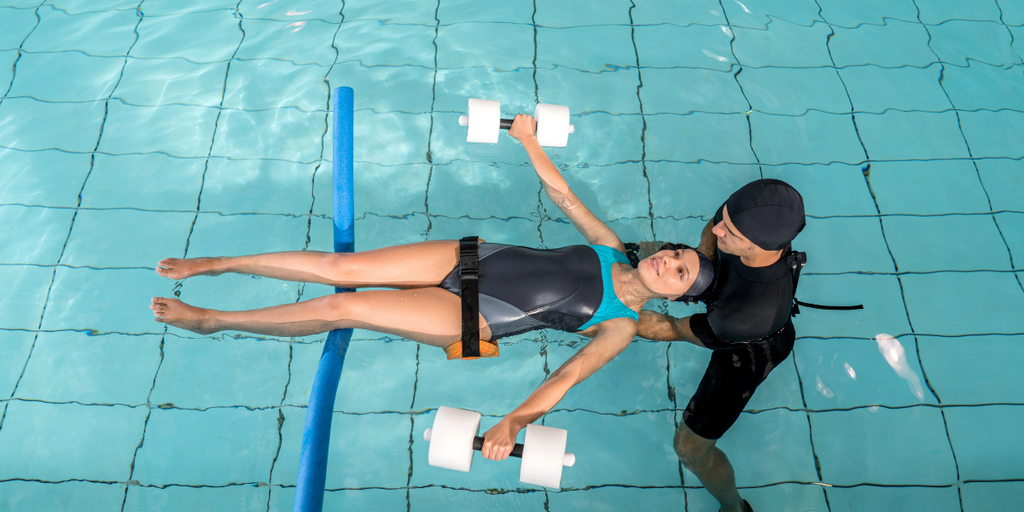
Hydrotherapy uses water in different forms to support comfort, movement, or rehabilitation. The experience depends on the treatment, not simply the label.
Understanding Traditional Hydrotherapy
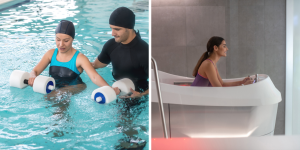
Traditional methods may include warm-water baths, therapeutic pools, and supervised aquatic exercise. In a pool, buoyancy reduces the amount of body weight supported by the joints. Water resistance can also make controlled movements possible without conventional gym equipment. Temperature affects comfort; the plan determines your goals.
What Is Dry Hydrotherapy?
Dry hydrotherapy works differently. You lie or sit on a specially designed surface while pressurized water jets move beneath a waterproof barrier. You remain dressed and dry, receiving a massage-like sensation without entering a pool. This is also commonly called dry hydromassage.
What Is Hydromassage, and How Does It Work?
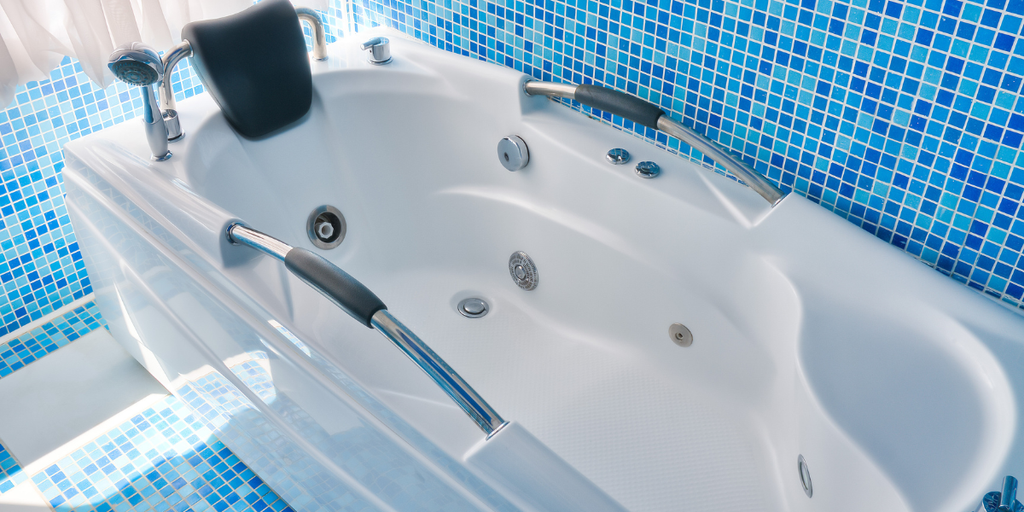
Hydromassage uses moving water and pressure to deliver massage rather than exercise-based rehabilitation.
Understanding Water-Powered Massage Therapy
Specialized jets direct streams of water to create pressure against the body. The sensation varies with the equipment, water pressure, and the area being targeted.
Wet Hydromassage vs Dry Hydromassage
In a jet bath, your body is immersed in water and the jets contact your skin. With a dry system, water moves inside the table or chair, separated from you by a flexible surface. Dry treatment requires no swimsuit or post-session drying. You typically remain in one supported position.
Why Do Patients Consider Hydromassage?
Often, the goal is simple: relaxation or temporary relief from everyday muscle tightness. Responses vary with the settings and individual comfort.
Hydrotherapy vs Hydromassage: What Are the Key Differences?
The main difference between hydrotherapy and hydromassage is scope. Hydrotherapy includes many water-based approaches. Hydromassage specifically describes massage created by water pressure. Dry hydrotherapy is one version of that massage approach, not another name for aquatic exercise.
Differences in Treatment Methods
Aquatic hydrotherapy may involve walking, stretching, or guided strengthening in a pool. Dry hydromassage generally involves resting on a table while the equipment does the work.
Differences in Equipment and Patient Experience
| Feature | Traditional Hydrotherapy | Dry Hydromassage |
|---|---|---|
| Treatment method | Water immersion or aquatic activity | Enclosed water-powered massage |
| Water contact | Usually direct | Patient stays dry |
| Equipment | Pool or therapeutic bath | Specialized massage table |
| Patient movement | May include active exercise | Usually passive |
| Main purpose | Depends on treatment | Comfort and relaxation |
| Clothing | Often swimwear | Comfortable regular clothing |
Consider whether you need to enter water, change clothes, or move actively.
Differences in Treatment Goals
Aquatic rehabilitation can build movement tolerance or support a supervised exercise plan. Dry massage may help someone relax after a demanding day, but it doesn’t replace strength training, mobility exercises, or a structured rehabilitation program.
What Are the Potential Benefits of Hydrotherapy and Hydromassage?
Benefits depend on the method and your condition.
Potential Benefits of Aquatic Hydrotherapy
Buoyancy may make certain movements easier for people with painful joints or restricted mobility. With appropriate supervision, aquatic exercise can be used to practice walking, balance, and controlled strengthening. Warm water may also improve comfort during a session.
Potential Benefits of Dry Hydromassage
Dry hydromassage may feel soothing and help some people temporarily ease muscle tension. It’s passive, and individual responses differ.
Understanding What These Treatments Cannot Do
A pleasant session doesn’t prove that an underlying injury has healed. Evidence for lasting health benefits from dry hydrotherapy remains limited, as noted in Aetna’s clinical policy review. Neither approach guarantees permanent pain relief or recovery.
Hydrotherapy or Hydromassage: Which Option May Be Appropriate for You?
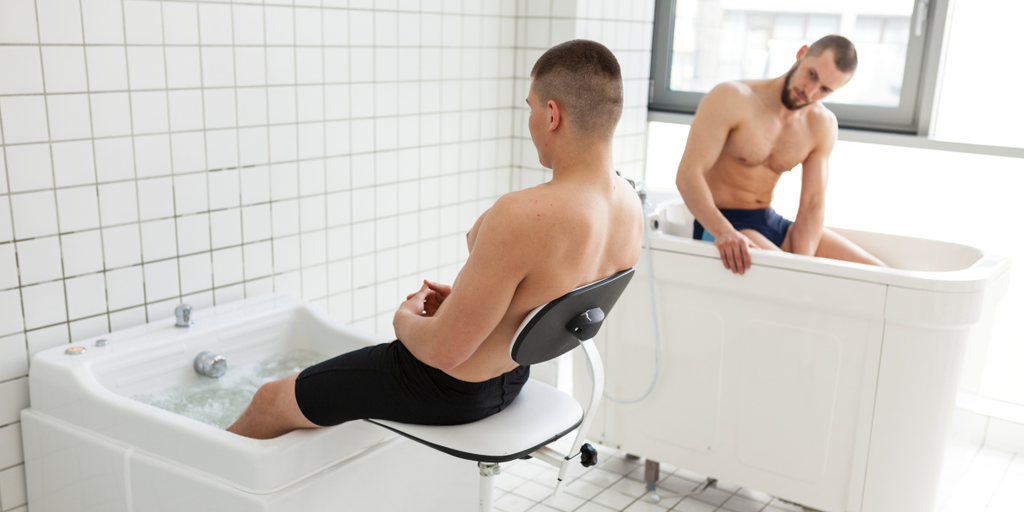
Start with your goal, not the name of the treatment.
For Everyday Muscle Tension and Soreness
If you want a hands-free, passive massage experience after long hours at a desk or routine physical activity, dry hydromassage may be worth discussing. Persistent or severe pain, however, calls for assessment first.
For Joint Mobility and Rehabilitation Goals
For walking, strength, or mobility goals, supervised aquatic exercise may be useful. Passive massage doesn’t provide movement practice.
When Is a Chiropractic Evaluation Helpful?
Recurring stiffness, pain that limits ordinary tasks, or symptoms following an injury deserve a closer look. A chiropractor can review your history and assess whether dry hydrotherapy fits a broader plan or whether further medical evaluation is needed.
What Happens During a Dry Hydrotherapy or Hydromassage Session?
A dry treatment session doesn’t involve entering a pool.
Step 1: Reviewing Your Symptoms and Health History
The provider asks about discomfort, injuries, medical conditions, and what you hope to get from the session. Screening helps identify reasons to modify or avoid treatment.
Step 2: Preparing for the Water-Powered Massage
You remain clothed and get comfortable on the massage equipment. Pressurized water stays inside the machine, beneath a flexible barrier.
Step 3: Adjusting Massage Settings and Comfort
Depending on the device, pressure, movement, and duration may be adjusted. Report uncomfortable pressure, awkward positioning, or unusual sensations immediately.
Step 4: Reviewing Your Response After Treatment
The provider reviews your response and discusses appropriate next steps.
Dry hydrotherapy session timeline: Health review → Comfortable positioning → Water-powered massage → Post-session guidance.
Is Hydrotherapy or Hydromassage Safe for Everyone?
No. Even dry massage equipment requires health screening.
Health Conditions That May Require Additional Precautions
Tell your provider about recent surgery, fractures, major injuries, blood clots, bleeding disorders, or blood-thinning medication. Certain heart conditions, uncontrolled blood pressure, pregnancy, open wounds, skin infections, and reduced sensation can also affect suitability.
Potential Risks and Treatment Limitations
Excessive pressure or poor positioning may cause discomfort. Pool-based methods carry additional considerations, including water temperature, slipping, and infection control. Proper equipment use and individualized screening matter.
When Should You Seek Medical Evaluation Instead?
Unexplained swelling, worsening pain, progressive numbness, or new weakness should not be managed through massage alone. Seek prompt medical assessment, especially for sudden or severe symptoms.
Exploring Personalized Dry Hydrotherapy at NJ Chiropractor in Bedminster
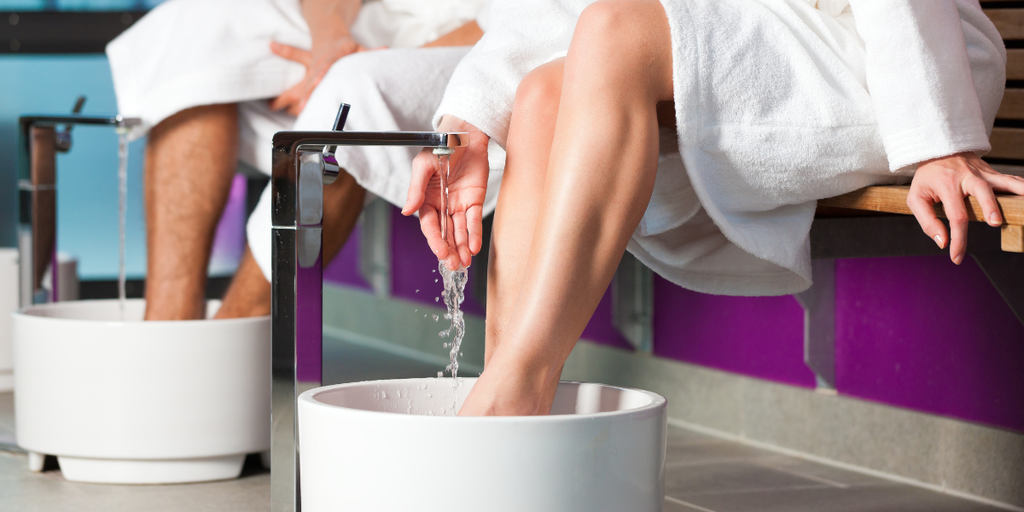
At NJ Chiropractor, we offer dry hydrotherapy in Bedminster for patients interested in water-powered massage without getting wet.
Our Approach to Dry Hydrotherapy
Our hydrotherapy service features an AquaMED dry massage system. Patients remain dressed while enclosed water jets create massage pressure beneath the treatment surface. We explain the equipment, then consider your health history, symptoms, and comfort.
Supporting Muscle Comfort Through Individualized Care
We may consider dry hydrotherapy for everyday muscle tension or mild soreness when appropriate. It may also be discussed alongside our chiropractic services, but not everyone needs both approaches.
Discussing Your Hydrotherapy Options With Our Team
We can explain potential benefits, precautions, and treatment expectations, including whether an examination is appropriate. Questions are welcome before you make an appointment.
Conclusion
Hydrotherapy is a broad term for water-based care. Hydromassage uses water pressure to provide massage, and dry hydrotherapy often means the same enclosed, water-powered equipment as dry hydromassage. Aquatic exercises and passive massage serve different purposes, so your symptoms and goals should guide your decision. Contact NJ Chiropractor in Bedminster, NJ, to learn about our dry hydrotherapy services and discuss your muscle discomfort. Schedule an evaluation to find out whether this approach may be appropriate for you.